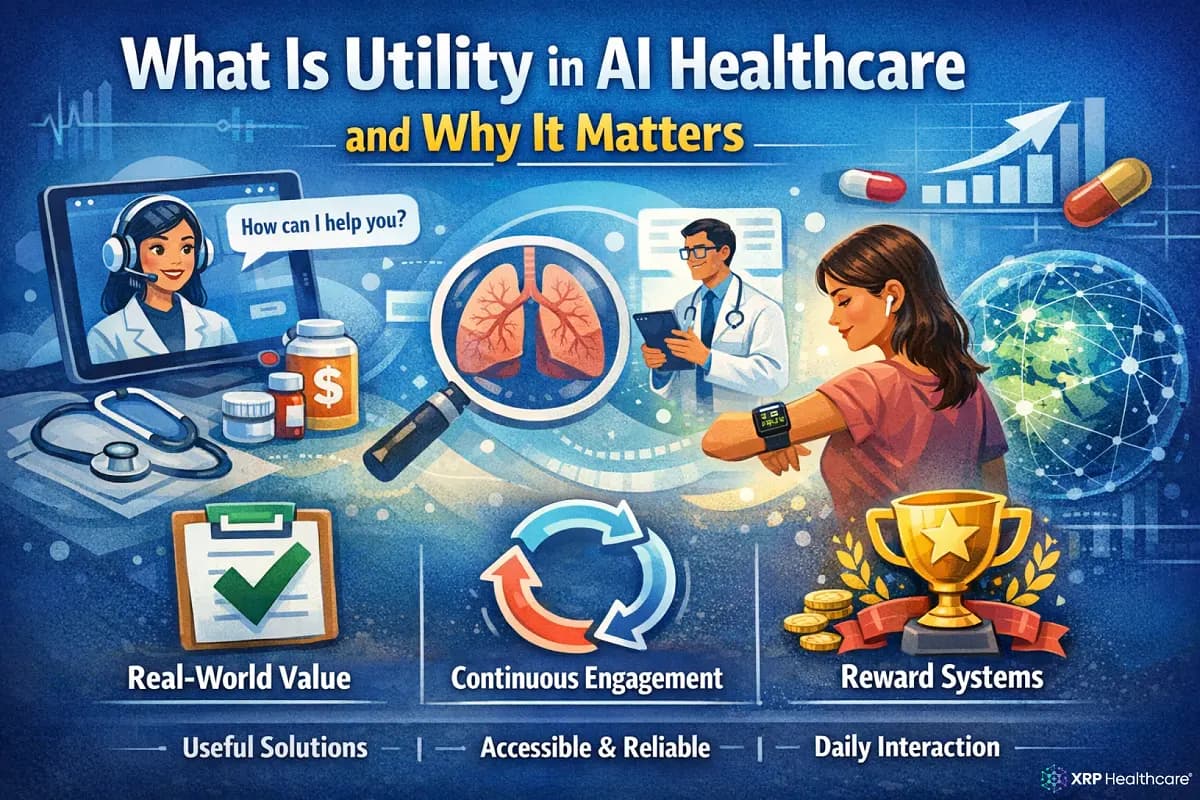
Artificial intelligence is rapidly transforming healthcare, but not all innovation delivers real-world value. The difference between concepts and impactful platforms comes down to one key factor: 👉 Utility To better understand how utility works in AI systems, the video above provides a clear and practical explanation of how real-world usefulness defines successful platforms. As AI healthcare continues to evolve, utility is becoming the foundation that determines which platforms succeed-and which are forgotten.
Understanding Utility in Digital Platforms
In simple terms, utility refers to how useful a system is in real-life situations. In healthcare, this means:
Platforms that deliver strong utility become integrated into users’ lives, rather than being used once and abandoned.
Why Utility Is More Important Than Innovation Alone
Many digital healthcare platforms focus heavily on technology but fail to deliver practical use. This leads to:
In contrast, platforms built around utility:
👉 Utility turns technology into something people rely on
Utility in AI Healthcare: What It Looks Like
In AI healthcare platforms, utility is expressed through features that users can access easily and repeatedly. This includes:
These features transform healthcare into something that is accessible, responsive, and user-driven
The Shift from One-Time Use to Daily Engagement
Traditional healthcare systems are often reactive. People engage only when something is wrong. AI healthcare platforms change this dynamic by enabling:
This creates a shift from: ❌ Occasional use➡️✅ Daily engagement And this is where utility becomes powerful.
How Reward Systems Reinforce Utility
One of the most important developments in digital platforms is the introduction of reward-based engagement systems. These systems:
Across industries, reward systems have been shown to increase engagement significantly. In healthcare, this means users are more likely to:
Real-World Application of Utility in AI Healthcare
Modern AI healthcare platforms demonstrate how utility works in practice. Users can:
These capabilities move healthcare beyond traditional limitations and into a more accessible, user-focused model.
The Role of Infrastructure in Delivering Utility
Behind every high-utility platform is a strong infrastructure layer. Technologies such as the XRP Ledger enable:
This allows platforms to deliver consistent performance while supporting a growing user base.
Utility and the Future of Healthcare Platforms
The future of healthcare will not be defined by who has the most advanced technology-but by who delivers the most usable solutions. Platforms that succeed will:
Utility will become the benchmark by which all AI healthcare platforms are measured.
Where XRPH AI Fits Into This Evolution
XRPH AI represents a model built around utility. By combining:
…it demonstrates how modern healthcare platforms can move from concept to real-world use. Rather than focusing on theory, the emphasis is on practical, everyday value for users
What Comes Next
As AI healthcare continues to evolve, utility will become increasingly important. The next phase will focus on:
This shift will define the next generation of digital healthcare platforms.
FAQ
What is utility in AI healthcare?
Utility refers to how effectively an AI healthcare platform can be used in real-life situations, providing consistent value to users.
Why is utility important in healthcare apps?
Utility ensures users return to the platform, engage regularly, and benefit from its features.
How do rewards improve utility?
Rewards encourage users to engage more frequently, reinforcing consistent usage and positive behaviour.
Are AI healthcare platforms widely used today?
Yes, adoption is growing rapidly as platforms become more accessible and user-friendly.
What makes a high-utility healthcare platform?
Ease of use, real-world application, accessibility, and consistent value delivery.