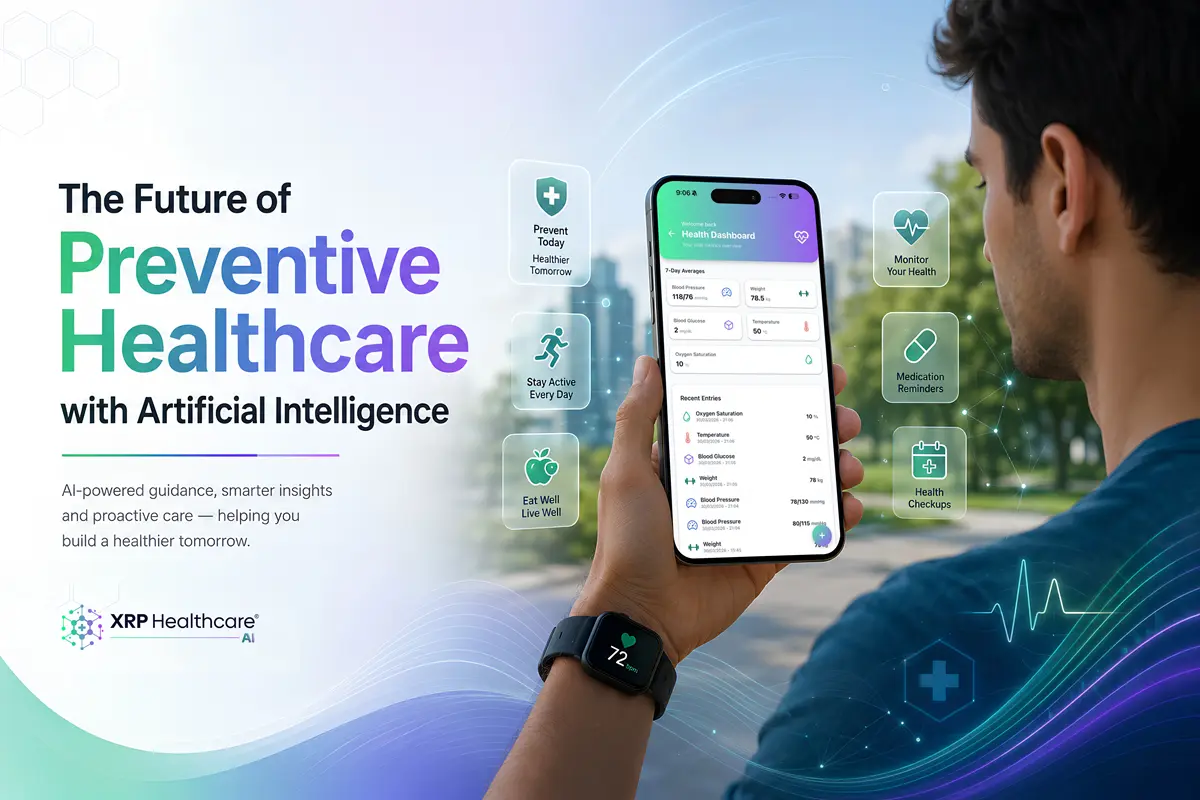
Healthcare has traditionally focused on treating illness after symptoms appear. While this approach has saved countless lives, advances in technology are shifting attention towards something equally important: preventing illness before it develops or progresses.
Preventive healthcare encourages healthier lifestyles, regular health monitoring and early intervention. By helping people recognise potential health risks sooner and supporting positive daily habits, preventive healthcare has the potential to improve quality of life while reducing the burden on healthcare systems.
Artificial intelligence is becoming an important part of this transformation.
Rather than replacing doctors or making medical decisions independently, AI is increasingly being used to help people understand health information, stay engaged with their wellbeing and navigate healthcare more effectively.
From medicine guidance and educational support to intelligent reminders and personalised health journeys, AI-powered healthcare platforms are beginning to make preventive healthcare more accessible than ever before.
To understand how these technologies fit into the wider future of digital medicine, explore our comprehensive AI Healthcare Platform guide.
What Is Preventive Healthcare?
Preventive healthcare refers to actions that help maintain health, reduce the risk of disease and identify potential health concerns as early as possible.
Instead of waiting until someone becomes seriously unwell, preventive healthcare encourages proactive steps that support long-term wellbeing.
Examples include:
Regular health screenings
Vaccinations where appropriate
Healthy eating
Physical activity
Medication adherence
Health education
Managing long-term conditions
Regular discussions with healthcare professionals
Preventive healthcare benefits people of all ages and forms an important foundation for healthier communities.
Why Prevention Matters
Many long-term health conditions develop gradually over time.
Heart disease, diabetes, high blood pressure and other chronic conditions often progress silently before symptoms become noticeable.
Early awareness and healthy lifestyle choices can make a significant difference.
Preventive healthcare aims to:
Improve long-term health outcomes
Encourage healthier daily habits
Detect potential concerns earlier
Reduce avoidable complications
Support more effective management of long-term conditions
Improve overall quality of life
While no technology can eliminate every health risk, providing people with accessible healthcare information can encourage more informed decisions throughout their lives.
How Artificial Intelligence Supports Preventive Healthcare
Artificial intelligence is particularly well suited to supporting preventive healthcare because it can provide timely educational guidance whenever users need it.
Rather than replacing routine healthcare, AI can encourage people to remain engaged with their health between appointments.
Explaining health information in everyday language
Helping users understand medicines
Encouraging healthier lifestyle choices
Providing educational guidance about common health topics
Helping users prepare questions for healthcare professionals
Supporting medication understanding
Encouraging ongoing engagement with personal health
By making healthcare information easier to access, AI has the potential to improve health literacy while supporting positive behavioural change.
From Reactive Healthcare to Continuous Healthcare
Healthcare is gradually moving from an episodic model towards a more continuous relationship between individuals and healthcare services.
Instead of interacting with the healthcare system only when illness occurs, people increasingly expect ongoing support that helps them maintain their wellbeing.
Artificial intelligence makes this possible by providing healthcare education and guidance throughout everyday life.
Learning about medicines
Understanding health conditions
Building healthier habits
Staying informed about preventive healthcare
Accessing healthcare resources when appropriate
This represents a significant evolution in the way digital healthcare platforms support individuals.
Personalised Healthcare Through AI
Every person has different healthcare needs, lifestyles and goals.
Artificial intelligence has the potential to personalise healthcare education by adapting conversations based on the user's questions and interests while maintaining appropriate privacy safeguards.
Instead of providing identical information to every individual, AI-powered healthcare platforms can present educational guidance that is more relevant to each person's healthcare journey.
This helps make healthcare information feel more accessible, understandable and useful without replacing professional medical advice.
The XRPHAI App and Preventive Healthcare
The XRPHAI App has been designed to support a more proactive approach to healthcare.
Rather than focusing solely on answering isolated questions, the platform combines multiple intelligent healthcare capabilities within one connected ecosystem.
By connecting these features, the platform aims to help users stay informed and engaged throughout their healthcare journey while encouraging appropriate professional medical care whenever required.
Building Better Health Habits
Technology alone does not improve health.
Lasting improvements come from consistent, informed decisions made over time.
Artificial intelligence can support these decisions by making healthcare information easier to understand, helping users remain engaged with their wellbeing and encouraging conversations with healthcare professionals.
As AI becomes increasingly integrated into everyday healthcare, preventive healthcare is expected to become one of its most valuable applications.
Helping people stay healthier may ultimately prove just as important as helping treat illness.
Real-World Examples of AI Supporting Preventive Healthcare
Preventive healthcare is most effective when it becomes part of everyday life rather than something people only think about during a medical appointment.
Artificial intelligence can support this approach by helping users remain informed, engaged and proactive throughout their healthcare journey.
Consider a few practical examples.
A person beginning a new prescription may use an AI Health Advisor to better understand their medication, learn what questions to ask their pharmacist and continue exploring reliable healthcare information.
Someone managing a long-term condition may regularly access educational resources to better understand their treatment plan while staying engaged with healthier lifestyle choices recommended by their healthcare professional.
Another individual may simply want to build healthier habits by learning more about nutrition, physical activity or general wellbeing.
In each case, artificial intelligence is supporting informed decision-making rather than replacing professional medical care.
Encouraging Healthier Everyday Habits
Encouraging medication adherence
Supporting healthier eating habits through educational content
Promoting regular physical activity
Helping users understand preventive health screenings
Encouraging users to seek appropriate medical advice when symptoms change
Providing ongoing health education between medical appointments
Although these actions may appear simple individually, together they can contribute to better long-term health outcomes.
Why Continuous Engagement Matters
Traditional healthcare often revolves around appointments that may be weeks or months apart.
Artificial intelligence can help bridge this gap by providing educational guidance whenever users need it.
AI helps people:
Understand healthcare information
Learn more about medicines
Stay motivated with healthy routines
Navigate healthcare services
Prepare for discussions with healthcare professionals
Artificial Intelligence Supports-It Does Not Replace-Healthcare Professionals
Responsible healthcare AI recognises the essential role of doctors, nurses, pharmacists and other healthcare professionals.
Artificial intelligence cannot:
Diagnose medical conditions
Perform physical examinations
Prescribe medicines
Replace clinical judgement
Provide emergency medical treatment
Instead, AI works alongside healthcare professionals by helping patients better understand healthcare information before and after appointments.
The Benefits of AI in Preventive Healthcare
Making healthcare information easier to understand
Improving health literacy
Supporting healthier daily habits
Encouraging earlier engagement with healthcare services
Helping users prepare for appointments
Improving access to educational healthcare resources
Supporting long-term health management
Making healthcare guidance more accessible
The greatest benefit is not replacing existing healthcare but making it easier for people to participate actively in maintaining their own wellbeing.
Understanding the Limitations
Although AI continues to improve rapidly, it is important to recognise its current limitations.
Artificial intelligence should never be viewed as a replacement for professional medical care.
Responsible AI platforms clearly explain these limitations while encouraging users to seek professional advice whenever appropriate.
The Future of Personalised Preventive Healthcare
Future developments may include:
More personalised educational content
Improved multilingual healthcare support
Voice-based AI healthcare conversations
Smarter healthcare navigation
Better integration with healthcare providers
Expanded medicine education
More engaging health journeys
Enhanced support for healthier lifestyles
The XRPHAI Vision for Preventive Healthcare
The XRPHAI App has been developed around a simple but ambitious goal: helping people become more informed and engaged in their own healthcare.
By connecting these capabilities within one intelligent ecosystem, XRP Healthcare aims to make preventive healthcare more accessible while complementing the expertise of healthcare professionals.
Conclusion
Preventive healthcare represents one of the most promising opportunities for improving health outcomes around the world.
Artificial intelligence is helping make this vision more achievable by improving access to understandable healthcare information, encouraging healthier habits and supporting patients between medical appointments.
Rather than replacing doctors or pharmacists, AI acts as an educational companion that helps people better understand their health and navigate healthcare services with greater confidence.
The XRPHAI App reflects this future by combining intelligent healthcare guidance, medicine education, Prescription Savings and healthcare navigation within one connected platform.
As healthcare continues to evolve, the greatest impact of artificial intelligence may not be treating illness-it may be helping more people stay healthy in the first place.
Begin Your Preventive Healthcare Journey
Discover how the XRPHAI App combines intelligent healthcare guidance with practical tools that help you stay informed, build healthier habits and navigate healthcare more confidently.
Learn More About Intelligent Healthcare
Explore how AI-powered medicine guidance, healthcare education and Prescription Savings are working together within the XRPHAI App.
Continue your journey:
Frequently Asked Questions
What is preventive healthcare?
Preventive healthcare focuses on maintaining health, reducing the risk of disease and identifying potential health concerns early through education, healthy lifestyle choices and regular healthcare.
How does artificial intelligence support preventive healthcare?
AI supports preventive healthcare by providing educational information, helping users understand medicines, encouraging healthy habits and improving access to healthcare resources.
Can AI prevent disease?
No. AI cannot prevent disease on its own. It can provide educational guidance that supports healthier decisions and encourages appropriate medical care.
Does AI replace doctors?
No. Artificial intelligence complements healthcare professionals by helping users better understand healthcare information. Diagnosis and treatment remain the responsibility of qualified clinicians.
Can AI help me build healthier habits?
Yes. AI can provide educational guidance, reminders and health information that encourage positive lifestyle choices.
What is personalised healthcare?
Personalised healthcare adapts healthcare information and support to the individual's circumstances, needs and goals while maintaining appropriate clinical oversight.
How does the XRPHAI App support preventive healthcare?
The XRPHAI App combines AI Health Advisor, medicine guidance, Prescription Savings, healthcare navigation and personalised engagement within one AI-powered healthcare platform.
Is preventive healthcare only for older adults?
No. Preventive healthcare benefits people of all ages by encouraging healthier lifestyles and early health awareness.
Can AI help between doctor appointments?
Yes. AI can provide educational healthcare guidance between appointments while encouraging users to seek professional advice whenever needed.
Where can I learn more?
Visit the AI Healthcare Platform page to explore how XRP Healthcare is using artificial intelligence to make healthcare more accessible, understandable and proactive.