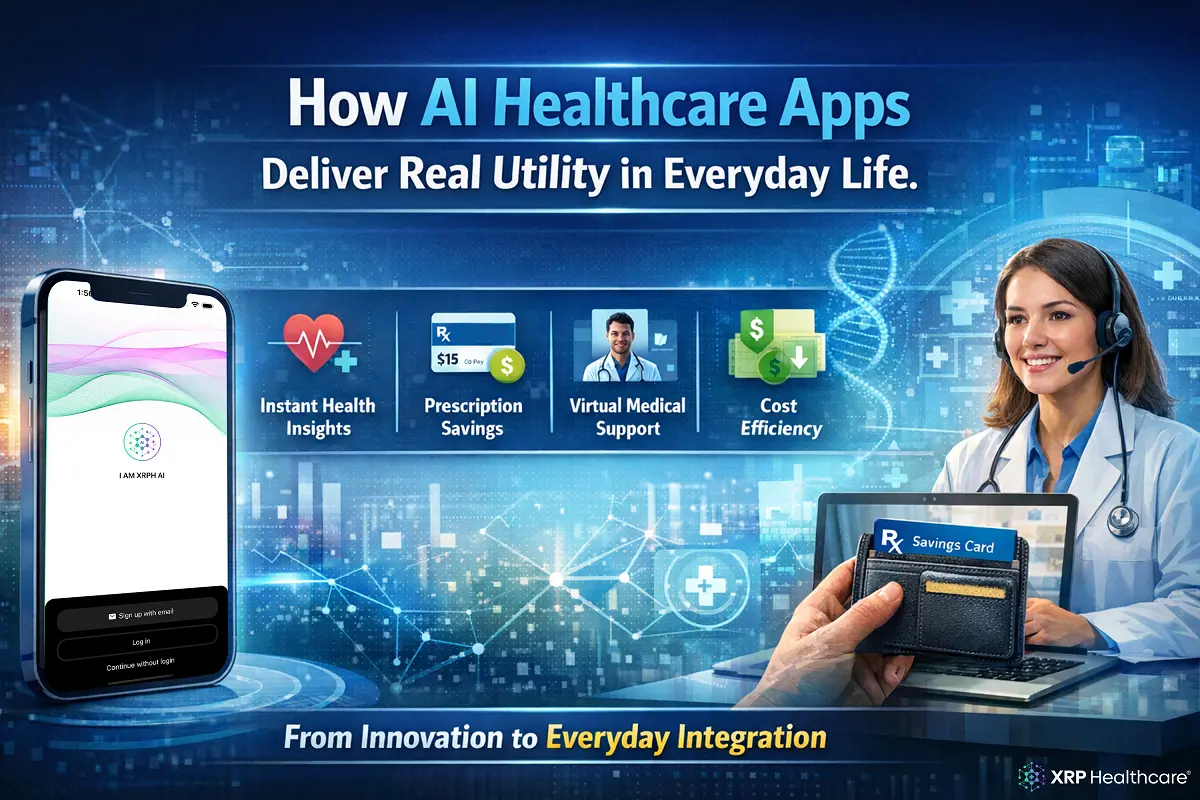
Artificial intelligence in healthcare is often discussed in terms of innovation and future potential-but the real impact comes from how these technologies are used in everyday life. The video above demonstrates a practical example of how AI healthcare platforms are evolving beyond theory into real-world usability, showcasing how users can integrate healthcare tools directly into their daily routines. This shift represents a critical evolution in digital health: 👉 From ideas and concepts to real, usable solutions
What Real Utility Looks Like in AI Healthcare
Utility in AI healthcare is defined by how easily and effectively a platform can be used in real-life situations. This includes:
Accessing healthcare support instantly
Managing health-related needs digitally
Reducing costs associated with treatment
Simplifying interactions with healthcare systems
The more seamlessly these functions integrate into daily life, the stronger the platform’s utility becomes.
Bringing Healthcare Into Everyday Digital Experiences
One of the most significant developments in AI healthcare is the integration of health tools into familiar digital environments. For example:
Mobile apps that provide instant health insights
Digital tools that simplify access to prescriptions
Integration with everyday platforms such as mobile wallets
This removes friction and allows users to engage with healthcare in the same way they interact with other digital services.
Prescription Access and Cost Efficiency
A major barrier in healthcare globally is the cost and accessibility of medication. AI healthcare platforms are addressing this by introducing tools that:
Help users access prescription savings
Provide visibility into cost-effective options
Simplify how prescriptions are managed
These features deliver immediate, tangible value-making healthcare more accessible and affordable.
Seamless Integration: A Key Utility Advantage
The ability to integrate healthcare tools into widely used platforms significantly enhances utility. For example:
Adding a prescription savings card to mobile wallets
Accessing healthcare features through a single app
Reducing the need for physical documentation
This level of integration transforms healthcare from something separate into something that is part of daily digital life
From Occasional Use to Continuous Access
Traditional healthcare systems are often accessed only when needed. AI healthcare platforms change this dynamic by offering:
Continuous availability
Instant responses
Ongoing support
This enables users to engage with healthcare tools more frequently, creating a more proactive approach to health management.
The Role of Engagement in Real-World Utility
Utility alone is powerful-but when combined with engagement systems, its impact increases significantly. Platforms that integrate engagement-driven features:
Encourage users to return regularly
Reinforce consistent usage
Build long-term interaction habits
This creates a system where healthcare is not only accessible-but actively used.
Real-World Use Cases of AI Healthcare Apps
AI healthcare platforms are already being used in practical ways:
Checking symptoms through AI health assistants
Uploading images for early-stage assessment
Accessing prescription savings tools
Finding and connecting with healthcare providers
Managing healthcare needs across different regions
These use cases demonstrate how AI is transforming healthcare into a more accessible and user-friendly experience.
Infrastructure Supporting Scalable Utility
Behind these platforms is a strong infrastructure layer that enables performance and scalability. Technologies such as the XRP Ledger support:
This allows platforms to deliver consistent utility to users worldwide.
Where XRPH AI Fits Into Real-World Utility
XRPH AI is designed to deliver practical, everyday healthcare solutions. By combining:
AI-driven health assistance
Image-based analysis tools
Prescription savings functionality
Global accessibility
…it provides a platform that users can integrate into their daily routines. The ability to connect features such as prescription savings directly to mobile wallets demonstrates how healthcare can become: 👉 Seamless, accessible, and embedded into everyday life
Why Utility Will Drive Adoption
As digital healthcare continues to evolve, platforms that deliver real-world utility will lead adoption. Users are more likely to engage with platforms that:
This shift will define the next generation of healthcare platforms.
What Comes Next
The future of AI healthcare will focus on:
Deeper integration into everyday digital tools
Enhanced user engagement systems
Greater accessibility across global markets
Continuous improvement in user experience
This evolution will continue to move healthcare toward a model that is not only digital-but fully integrated into daily life
❓ FAQ
What is real-world utility in AI healthcare?
It refers to how effectively a healthcare app can be used in everyday situations to provide real value.
How do AI healthcare apps improve daily life?
They offer instant access to health information, simplify prescription management, and improve accessibility.
Why is integration with mobile wallets important?
It reduces friction and allows users to access healthcare tools easily within platforms they already use.
Are AI healthcare apps widely used today?
Yes, adoption is growing as platforms become more practical and accessible.
What makes a healthcare app useful?
Ease of use, accessibility, real-world functionality, and seamless integration.