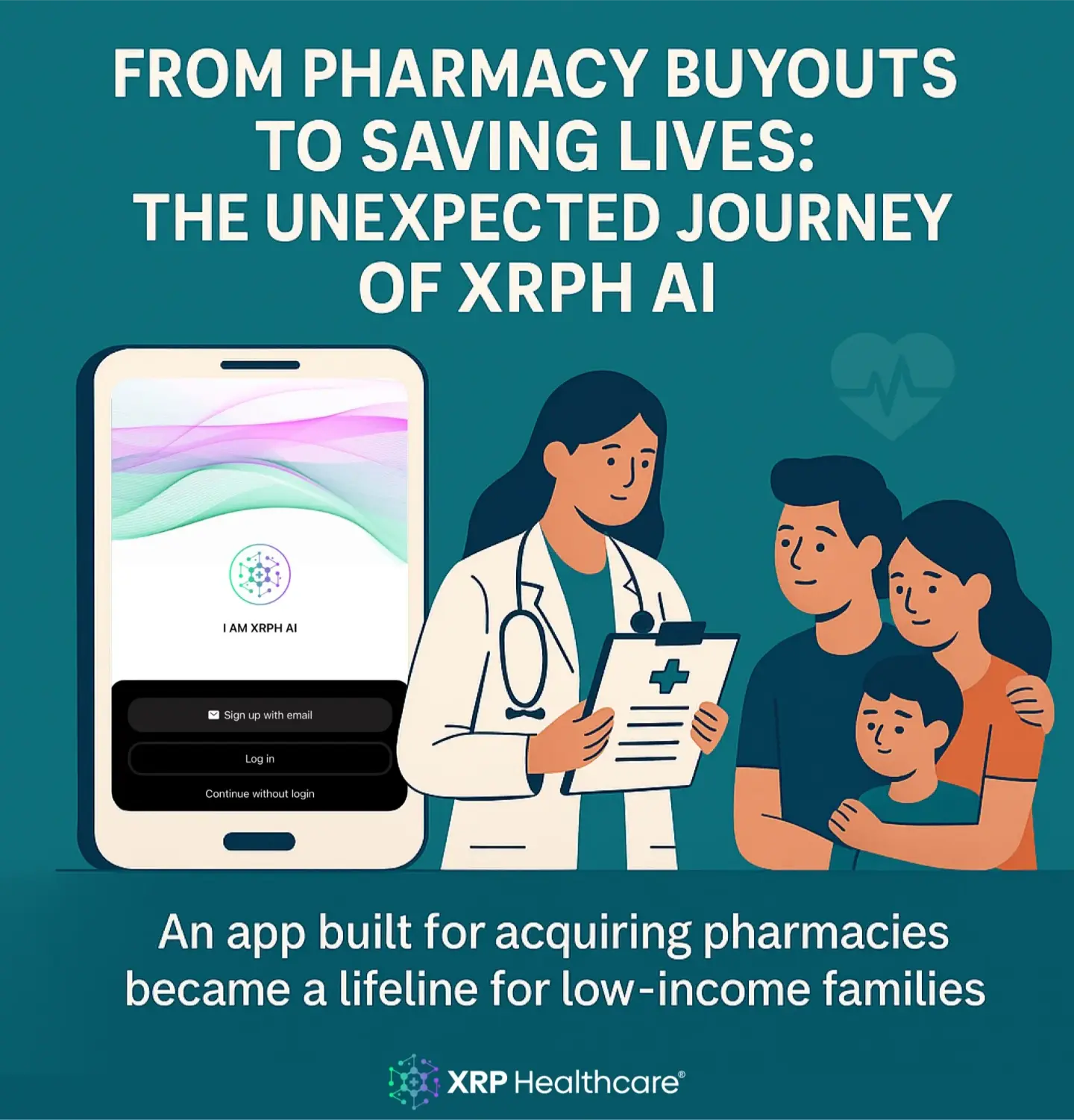
When XRPH AI first came to life, the vision wasn’t grand or heroic. It wasn’t about reimagining healthcare or becoming a digital lifeline for patients. The goal was simple, even mundane: build a data engine to track and scale pharmacy acquisitions across East Africa. At its core, XRPH AI was meant to crunch numbers for mergers and acquisitions nothing more.
But then, something unexpected happened.
The Accidental Shift
As XRPH collected pharmacy-level, anonymized data, a deeper story emerged. People weren’t just in need of affordable medicine they were desperately seeking everyday health guidance. Clinics were too far away. Doctors were overworked. Private consultations were out of reach for most families.
That’s when the team added a small side feature: an AI chatbot. Its original purpose was purely operational helping pharmacists identify common regional conditions during acquisitions, without storing personal details.
Yet this minor addition sparked a transformation no one had predicted.
When Data Became a Lifeline
Low-income families began turning to the chatbot not for acquisitions, but for answers. Parents could type in “fever,” “rash,” or “cough” without revealing their identity. Workers could discreetly ask about high blood pressure or stomach pain, knowing their privacy was protected.
The AI wasn’t diagnosing. It was guiding.
And it was making a real difference.
Soon, families were using XRPH AI as a safe first step in healthcare avoiding unnecessary hospital trips while being nudged to seek professional care when needed. Many shared stories of how the early guidance encouraged them to act sooner, improving outcomes and reducing risks.
The Pattern We’ve Seen Before
History is full of tools that started one way and ended up reshaping entire industries. Slack began as an internal chat tool for a failed video game. Airbnb was created to help pay rent. XRPH AI now finds itself in that lineage a project that pivoted by accident and unlocked something far greater than its initial purpose.
Why This Story Sticks
It’s scalable: What’s helping Ugandan families today could support underserved communities anywhere tomorrow.
More Than Numbers
Yes, XRPH AI still powers pharmacy acquisitions, and that remains critical for building a modern, connected healthcare ecosystem in Africa. But its true legacy now includes something more human: being a trusted guide for families navigating health concerns in tough conditions.
By safeguarding anonymity and respecting privacy, XRPH AI has shown that technology can both scale and stay responsible. What began as spreadsheets and buyout strategies has evolved into a story of resilience, innovation, and access.
Final Thought
XRPH AI didn’t just design a business tool it unintentionally built trust, guidance, and hope. And perhaps that’s the biggest lesson: sometimes the most meaningful innovations aren’t the ones you set out to create.
Patient-First AI Healthcare & Trust